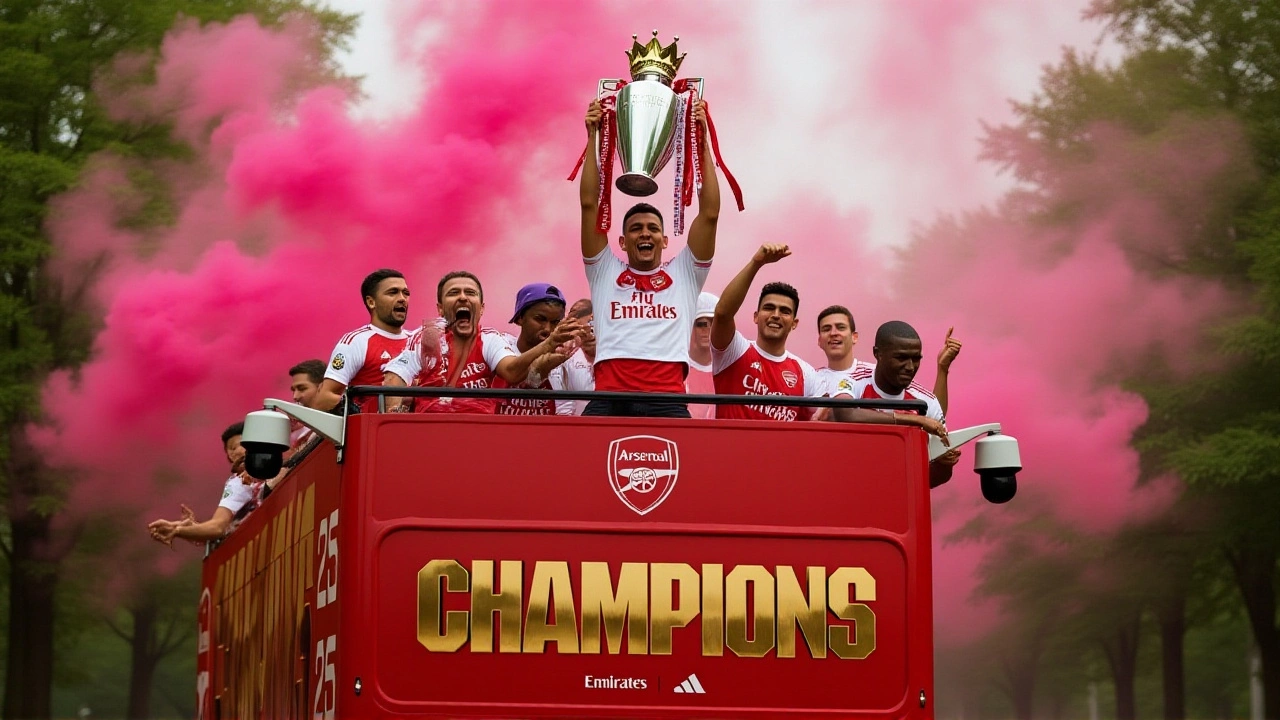
It’s the moment every football fan dreads and loves in equal measure. The calendar gets locked in. For millions of supporters across the globe, that moment arrived this June when Premier League finally pulled the curtain back on the 2026-27 season. If you were refreshing your browser at dawn, wondering exactly when the chaos would begin, here’s the answer: the new fixtures dropped at precisely 09:00 BST (British Summer Time).
That 9am UK time slot isn’t random. It’s the traditional window where the league publishes its complete schedule for all 20 clubs simultaneously on its official website and through individual club channels. But behind that simple timestamp lies a complex logistical puzzle, reshaped by global events and broadcast demands.
The 9am Drop: What Happens When Fixtures Are Released?
When the clock strikes 09:00 BST, it’s not just a digital update. It’s a coordinated media event. Major outlets like Evening Standard, Daily Mirror, and The Independent have their teams ready to break down the implications instantly. Fans aren’t just looking for dates; they’re hunting for derbies, travel nightmares, and those crucial midweek clashes against European rivals.
Here’s the thing about these initial releases: they are a baseline, not the final word. While the dates are set, kick-off times often shift later in the summer. Broadcasters like Sky Sports and TNT Sports hold the power to pull matches into prime-time slots, meaning that Saturday afternoon game might suddenly become a Sunday evening spectacle. But until then, the 9am drop is the gospel truth for planning holidays, booking tickets, and arguing with mates about who has the toughest start.
Season Kickoff and Key Calendar Dates
The 2026-27 campaign doesn’t start immediately after the summer break. In fact, the calendar has been nudged later than usual. The first whistle blows on Friday, 21 August 2026. This slight delay is a direct consequence of the 2026 FIFA World CupCanada, Mexico, and United States, which runs from June to July 2026. With international stars playing abroad during the peak of summer, the domestic leagues had to adjust to ensure player availability and rest.
The opening matchweek is packed. Action kicks off on Friday 21 August and runs through Monday 24 August. Here’s a snapshot of how the early schedule looks based on preliminary data:
- Friday, 21 August: Arsenal vs Coventry City (20:00 BST)
- Saturday, 22 August: Hull City vs Manchester United (12:30 BST); Brentford vs Tottenham Hotspur (17:30 BST)
- Sunday, 23 August: Newcastle United vs Liverpool (16:30 BST)
- Monday, 24 August: Fulham vs Chelsea (20:00 BST)
Notice the London derby between Fulham and Chelsea closing out the weekend? That’s classic Premier League scheduling—saving the big local clashes for prime-time slots to maximize viewership.

Big Matches and Traditional Festive Fixtures
If you’re a fan of Manchester United, keep an eye on Old Trafford. They face Nottingham Forest on Boxing Day, 26 December 2026. This tradition of playing on the day after Christmas is a staple of English football culture, offering fans a festive distraction and broadcasters a guaranteed audience.
For Chelsea Football Club supporters, the holiday period brings a trip to Coventry City. Meanwhile, the season finale is set for Saturday, 30 May 2027. On that final day, all ten matches are played simultaneously to determine the title winner, European qualifiers, and relegation victims. Manchester United will host Fulham, while Chelsea finishes their campaign at home against Brentford at Stamford Bridge.
Why the Schedule Matters More Than Ever
The density of the modern football calendar is unprecedented. With the addition of the FIFA Club World Cup in recent years and the looming World Cup in 2026, clubs are fighting for every minute of recovery time. The Premier League has confirmed a mid-season winter break in early 2027, though the exact duration depends on how many matches are postponed due to European competitions.
Broadcast rights remain the driving force behind fixture changes. Sky Sports and TNT Sports have contracts allowing them to select up to 270 games for live coverage each season. This means that even if your team’s match is listed for Saturday at 3pm, there’s always a chance it could be moved to Sunday or Monday night for TV. Fans should always check their club’s official app closer to the date for the most accurate kick-off times.
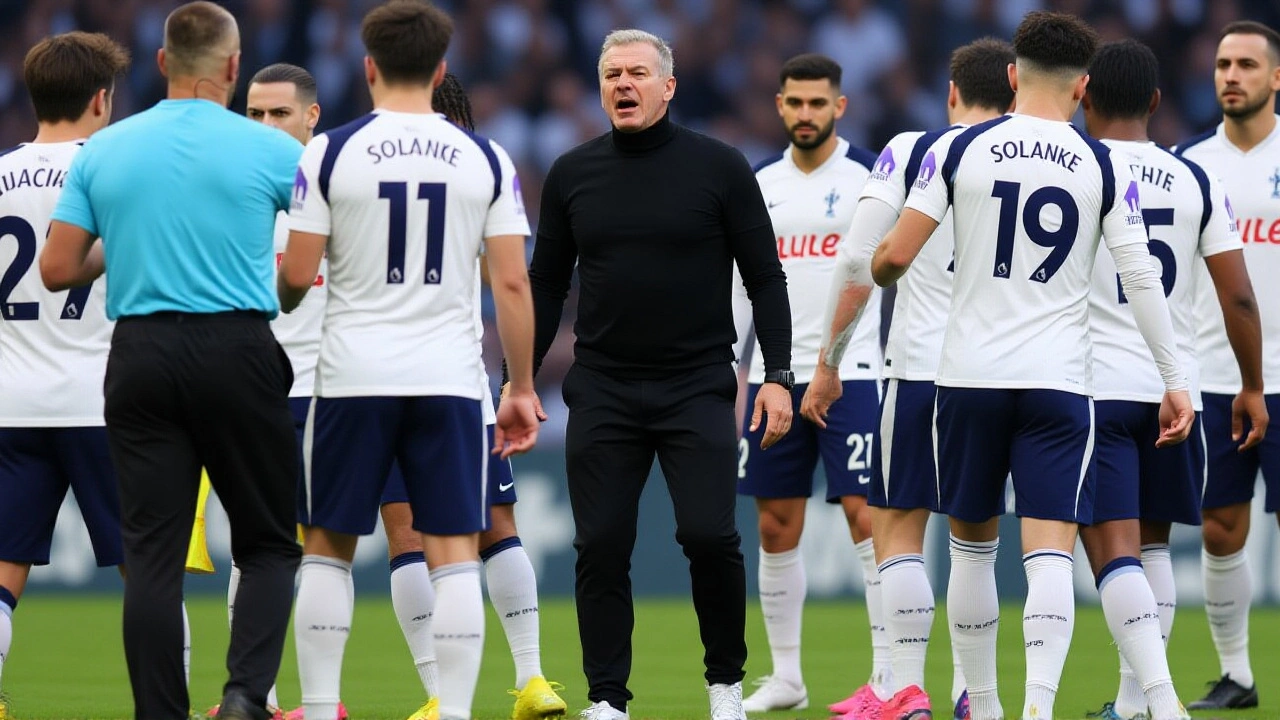
What’s Next for Fans?
Now that the skeleton schedule is public, the real work begins for club administrators. Travel logistics, stadium preparation, and ticket sales strategies all hinge on these dates. For supporters, it’s time to mark the diaries. Whether you’re traveling to Anfield for a night game or staying home for a Boxing Day special, the framework for the next twelve months is now clear.
Frequently Asked Questions
What time are the Premier League fixtures released?
The Premier League traditionally releases its new season fixtures at 09:00 BST (British Summer Time) on a designated date in June. This simultaneous release happens on the official Premier League website and via individual club social media channels.
When does the 2026-27 Premier League season start?
The 2026-27 season officially kicks off on Friday, 21 August 2026. The opening matchweek runs from Friday 21 August through Monday 24 August, with multiple games scheduled across these four days.
Why was the season start date delayed?
The start date was pushed later to accommodate the 2026 FIFA World Cup, which takes place in Canada, Mexico, and the United States from June to July 2026. This ensures players have adequate rest before returning to domestic duties.
Are the kick-off times fixed once released?
No, kick-off times are subject to change. Broadcasters like Sky Sports and TNT Sports can select matches for live television coverage throughout the season, which may alter the original Saturday afternoon slots to Sunday or Monday evenings.
When is the final day of the 2026-27 season?
The final matchweek of the 2026-27 Premier League season is scheduled for Saturday, 30 May 2027. All ten matches on this day are played simultaneously to conclude the league standings.